Rebuilding Your Life Without Heroin is possible
Confidential, non-judgmental medical and psychological treatment in Madrid. We start where you are: we support you at your own pace, with respect, and with a realistic plan that we develop together with you.
First clinical assessment, with respect and confidentiality.

Taking the first step is often the hardest part. Addiction It doesn't define who you are, and asking for help is not a failure: it is the first step of treatment.
And if you're worried about someone you care about, we're here for you, too.
Would you prefer that we call you?
Leave us your name and telephone number. We will call you as soon as possible to guide you.
Your Treatment, Step by Step
A personalized and realistic plan, featuring scientifically supported treatments (agonist therapy when indicated, cognitive-behavioral therapy, motivational interviewing, relapse prevention, and harm reduction). At UniAdic, we start where you are, without judgment. Our goal, as part of the Individualized Treatment Plan (ITP), is to help you stabilize your life and regain your health—at your own pace and with a plan we develop together with you.
First Confidential Call
You tell us your situation. We just listen and advise you.
Evaluation with the medical team
Comprehensive assessment of substance use, possible dual pathology and physical health.
Personalized Treatment Plan
Detoxification and psychotherapy, either on an outpatient basis or as an inpatient, depending on your situation.
Support and Relapse Prevention
Continuity of care: If you miss an appointment or take a break for a while, the door is still open. A relapse isn't a failure; it tells us what we need to adjust.
Understanding Heroin Addiction
Heroin is a very potent opioid with a high addictive potential. It can generate tolerance (increasingly larger amounts are needed for the same effect) and dependence, which in some cases develops within a few weeks of continued use. It is a treatable disorder, often of chronic course: stopping use or achieving stabilisation is possible, but the most serious risk is overdose, which is why treatment is carried out with medical support and safety measures. Understanding it is the first step towards treating it.
Effects, Overdose, and Withdrawal +
- Intense initial euphoria followed by drowsiness and apathy.
- Very constricted pupils (miosis).
- Slowing Down of breathing and pulse, and a drop in blood pressure.
- Nausea, vomiting, and constipation.
- Decreased pain and decreased sexual desire.
In the event of overdose (very slow or absent breathing, blue lips or skin, inability to wake up) act immediately: see the highlighted notice below.
Withdrawal Syndrome (on stopping after prolonged use): anxiety, restlessness, muscle pain, sweating, watery eyes, yawning, dilated pupils, goosebumps, nausea, vomiting, diarrhoea, insomnia and intense urges to use (craving). It is very uncomfortable, but is not usually fatal in itself (it can cause dehydration if vomiting and diarrhoea are severe); this is why it is managed under medical supervision. Important: withdrawal from alcohol or benzodiazepines —which is common among poly-drug users— can indeed be dangerous, and this is also taken into account.
Dual Diagnosis and Global Health +
Complications and Risks +
- Overdose with respiratory depression, which can be fatal.
- Infections through the sharing of equipment: HIV, hepatitis B and C, skin and heart infections (endocarditis). The hepatitis C treatments are now available that succeed in eliminating the virus in most cases, and a vaccine against hepatitis B exists.
- Respiratory: pneumonia, pulmonary edema.
- Cardiovascular: arrhythmias.
- Others: constipation, kidney problems, sleep disturbances, and decreased libido and fertility.
- Adulteration with fentanyl or nitazenos, which are much more potent opioids that increase the risk of overdose.
An initial medical evaluation, infection screening, and harm-reduction measures protect your health from the very beginning.
Treatment for Heroin Addiction +
- Medical Evaluation primary care and general health, including screening for HIV and hepatitis.
- Treatment with agonists when indicated—methadone or buprenorphine (alone or in combination with naloxone)—. It's not about “swapping one drug for another”: this is a medication prescribed and supervised by a doctor, at a stable and controlled dose, which stabilises the opioid system, interrupts the intoxication-withdrawal cycle and significantly reduces mortality risk. It is one of the approaches with the greatest scientific support in opioid dependence and may be maintained for as long as the clinical course advises.
- Detoxification and Withdrawal Management with medical support.
- Individual Psychotherapy with scientific backing (cognitive-behavioural therapy, motivational interviewing, relapse prevention) and work with the family when indicated.
- Harm reduction and overdose prevention: we provide information on how to act and on access to naloxone.
- Continuity and Coordination: We focus on treatment retention and coordinate your physical health and social situation; if you take a break, you can come back.
Not everyone starts out with the same goal: for some people, it's to stop using drugs; for others, it's first to reduce risks and regain their health and stability. All of these are legitimate goals, and the plan is decided together with you. Our proprietary model, the Unified Transdiagnostic Model (MUT), integrates and coordinates the treatments with the strongest scientific backing—both medical and psychological—and tailors them to your needs. Outpatient or inpatient care, depending on the case.
This treatment is part of our substance abuse treatment in Madrid, where we also addressed the cocaine, the alcohol and the cannabis. We also cover the mephedrone and the nitazenes. You can learn more about our addiction treatment center in Madrid, the detox center and the outpatient treatment.
How much does it cost? +
How often are the sessions? +
OVERDOSE — life-threatening emergency: if someone is breathing very slowly or not breathing, has bluish lips or skin, or cannot be woken up, seek urgent medical attention, administer naloxone If you have it, and if the person isn't breathing, start CPR. Naloxone wears off faster than heroin, so the overdose can to reappear: stay with the person until medical assistance arrives, as a further administration may be necessary (with fentanyl or nitazenes, sometimes several). The risk is greater after a period without use. This information is for guidance only and It does not replace an individual professional evaluation.

A medical clinic that's close by and confidential
Licensed clinical psychologists and psychiatrists who treat addiction and dual diagnosis with clinical rigor and a compassionate approach, right here in Madrid. A team with experience treating addiction to heroin and other opioids.
Personalized and Confidential Care
Personalized care protected by professional confidentiality. You decide who to share it with.
Outpatient or inpatient
Comprehensive care that fits your lifestyle. Most treatments are outpatient.
A close and qualified team
We encourage therapeutic work from the very first moment, with professionals specifically trained in addictions.
Affordable Treatments
Personalised plans, designed to adapt to each person and their situation.
We'll take this step with you
We want to listen to you and help you resolve your problems. A relapse is not the end: for many people it forms part of the process, and we know how to support you through it.
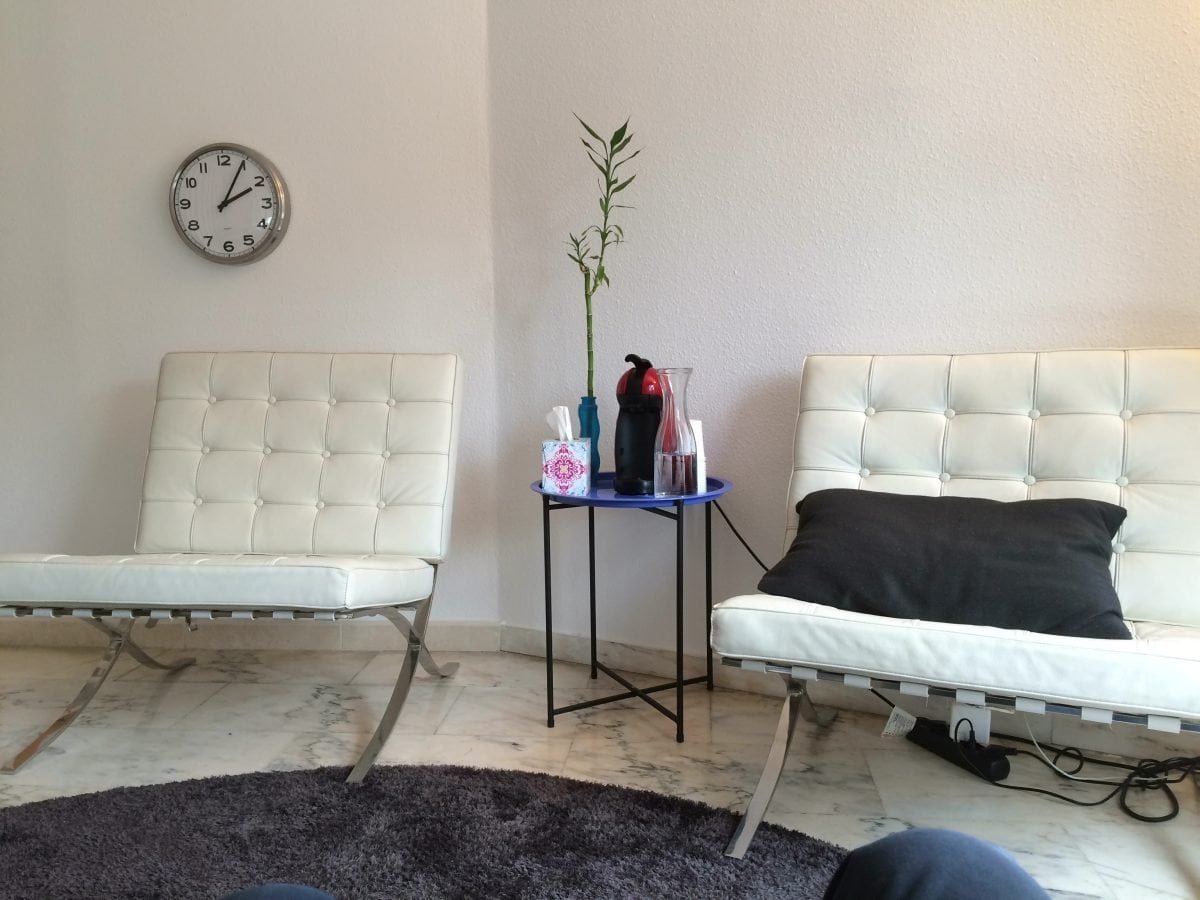
A quiet and unassuming spot in the heart of Madrid.
Rebuilding your life is possible. You don't have to do it alone: we start where you are, with respect and confidentiality.
Frequently Asked Questions
Is it dangerous to quit heroin cold turkey? +
What is methadone or buprenorphine treatment? +
What if I relapse? +
Will my family or my employer find out? +
Is it really possible to quit heroin? +
What if it's a family member who's using drugs? +
What happens on a first appointment? +
Take the first step today
A confidential phone call is all it takes to get started. We're here to help you or your family member.