When shopping is no longer a choice but becomes a a need you can't resist
Psychological treatment for compulsive shopping in Madrid. Outpatient care that is confidential and non-judgmental, provided by a team specializing in compulsive behaviors and dual diagnosis.
Initial assessment in a safe and respectful environment. Individual sessions.

Compulsive shopping is not to be capricious nor lack of willpower. It is a pattern that often conceals a deeper distress: anxiety, sadness, emptiness or low self-esteem. Buying provides relief for a moment and guilt usually follows afterwards. It is a pattern that can be understood and that has psychological treatment.
If it is your daughter, your son or your partner who is struggling, family support can be a significant help in the process. When indicated, we also work with the family.
Would you prefer that we call you?
Leave us your name and telephone number. We will call you as soon as possible, within our office hours, to advise you.
Regain Control of Your Spending, Step by Step
We work with cognitive behavioural therapy (CBT) to identify emotional triggers, learn to delay and plan purchases, and look for alternatives. We add emotional regulation, money management, and motivation for change, elements of our Unified Transdiagnostic Model (MUT). Treatment is outpatient in most cases and is adapted to your situation: each process is different.
First Confidential Call
You tell us what is concerning you in a space of listening, without prejudice. We explain how we can help you.
Evaluation with a professional
A psychologist with health registration assesses your relationship with shopping, your mood and what lies beneath the impulse. If appropriate, we also assess other associated difficulties.
Your Treatment Plan
We design a personalized plan for you: recognizing emotional triggers, delaying and planning purchases, managing your emotions, and organizing your finances—all with realistic goals.
Support and Consolidation
We consolidate the changes, work on relapse prevention, and help rebuild a healthier relationship with money and with yourself. We progress at your own pace, with close follow-up.
Understanding Compulsive Shopping
Compulsive buying (sometimes called oniomania) is a recognised and treatable clinical pattern, although it does not appear as an independent diagnosis in official classifications. It is not about buying a lot, but about being unable to stop the impulse, and buying fulfilling an emotional function: soothing anxiety, sadness or emptiness. The rise of online shopping and 'one-click' payment can make it easier for the impulse to be triggered within seconds.
Signs That Shopping Is a Problem +
- An intense urge to buy that is difficult to stop.
- Shopping to cope with emotions (anxiety, sadness, boredom, or emptiness).
- Momentary relief followed by guilt or regret.
- Spending beyond your means and mounting debt.
- Hiding purchases, receipts, or charges from your family or partner.
- Hoarding things you hardly ever use.
Recognizing these signs is nothing to be ashamed of: it’s the first step, and from there you can start to make improvements.
What usually goes along with it +
- Depression or low moods.
- Anxiety and difficulty tolerating discomfort.
- Low self-esteem and a negative self-image.
- Sometimes, other compulsive behaviors or eating problems.
That's why we evaluate the person as a whole and not just their purchasing behavior.
Consequences in Your Life +
- Debt and financial problems.
- Conflicts and mistrust within a relationship or family.
- Hoarding of objects at home.
- Shame, concealment, and isolation.
None of these situations defines you: with professional help they can be addressed and, in many cases, improved.
The Treatment +
This treatment is part of our non-substance addictions in Madrid, where we also discussed gambling addiction, video game addiction, compulsive sexual behavior, workaholism and emotional dependence. You can learn more about our addiction treatment center in Madrid, the detox center and the outpatient treatment.
How much does it cost? +
How often are the sessions? +
Debts and feelings of hopelessness are a reason to seek help, not to hide away. This information is for guidance only and does not replace an individual professional assessment.

A medical clinic that's close by and confidential
We are a team of licensed psychologists in Madrid with experience in compulsive behaviors and dual diagnosis. We provide caring, personalized, and non-judgmental care that focuses on the person—not just the behavior.
Personalized and Confidential Care
Personalized care protected by professional confidentiality. You decide who to share it with.
Therapy Tailored to Your Life
Outpatient treatment that fits into your daily routine, with a plan tailored just for you.
A close and qualified team
We encourage therapeutic work from the very first moment, with an approachable professional team with specific training in addictions.
Clear conditions from the outset
Private and personalised treatment, with the financial terms detailed before starting.
We'll take this step with you
We want to listen to you and support you throughout the process. A relapse is not a failure: it can occur during treatment and we know how to address it.
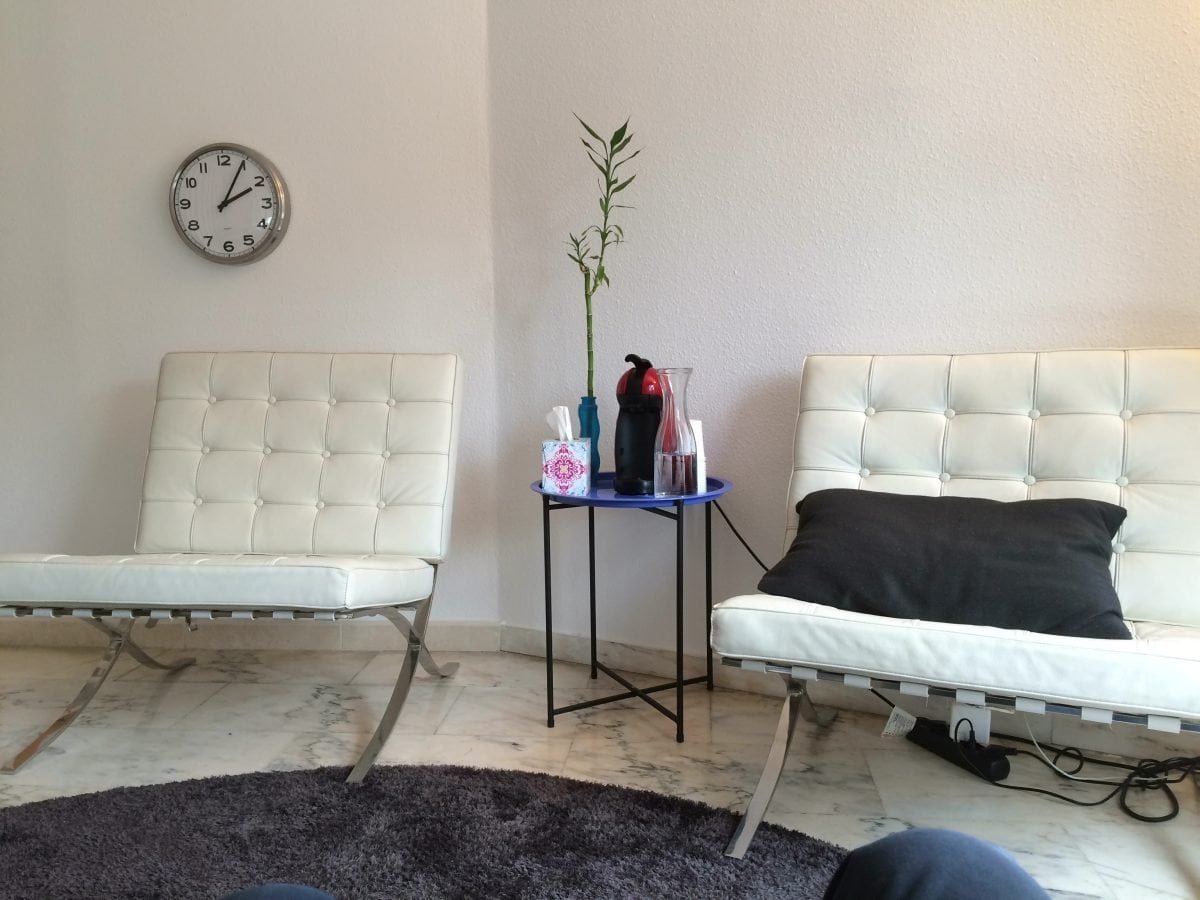
A quiet and unassuming spot in the heart of Madrid.
Regaining control over shopping is possible: once you understand what lies behind the impulse, buying can become a choice again rather than something that overwhelms you.
Frequently Asked Questions
Is shopping a lot really an addiction? +
Is this confidential? +
Will I have to stop buying altogether? +
I have debt from shopping. Where do I start? +
How long does the treatment last? +
What happens on a first appointment? +
Take the first step today
A confidential phone call is all it takes to get started. We're here to help you or your family member.